



Per chi è
- Birders chasing Caatinga endemics
- Nature photographers (strong light, clean backgrounds)
- Travelers who want to combine coast and interior
- Families on low-impact guided outings
Foresta Atlantica, Caatinga e zone umide costiere si incontrano a poche ore di auto, con una diversità di uccelli sproporzionata rispetto alle dimensioni dello stato.
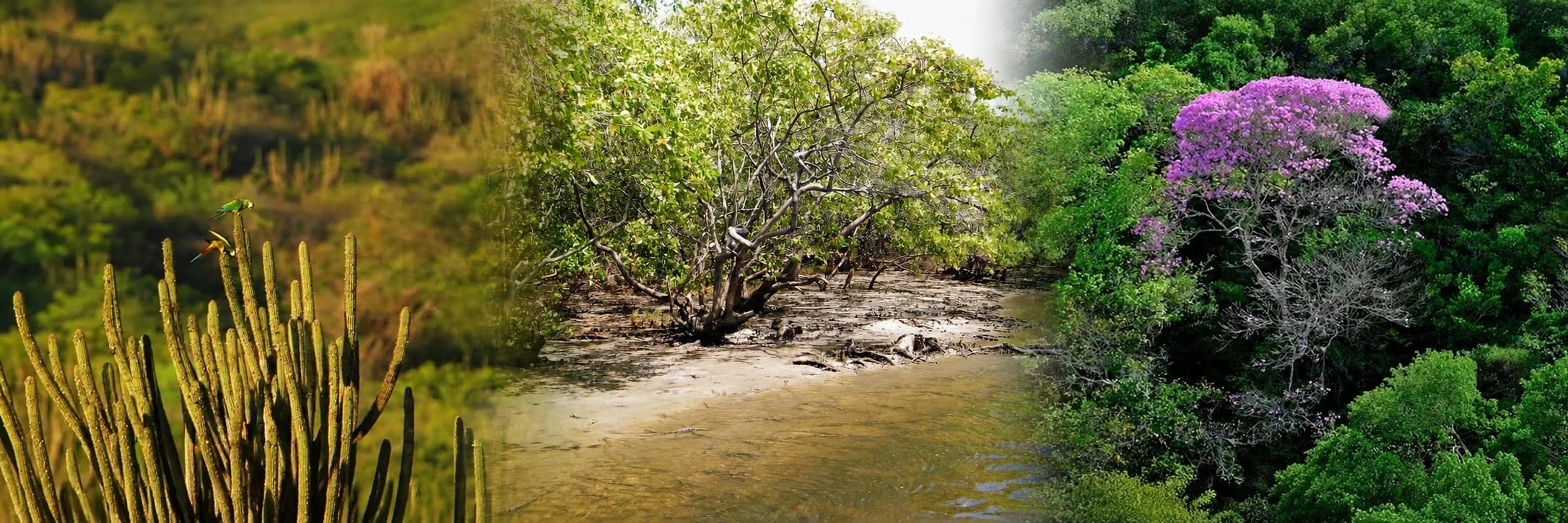
Few places on Earth bring together three such different biomes within a few hours’ drive. In Rio Grande do Norte the Atlantic Forest of the southern coast, the Caatinga of the interior and the coastal wetlands — estuaries, salt pans and mangroves — create a bird diversity out of all proportion to the size of the state.
The Caatinga is the only exclusively Brazilian biome and holds endemic species found in no other country. The best window runs from the end of the rainy season onward (March to July), when the interior turns green and breeding activity peaks. The salt pans of Galinhos and Macau concentrate shorebirds and migrants; the area around Pico do Cabugi and the Apodi region hold the Caatinga endemics.
 Endemica
 Endemica
 Endemica
 Endemica
 Endemica
 Endemica
Serra de Santana · Sertão do Seridó
Foto: Antonio Arnaiz-Villena, Valentin Ruiz-del-Valle ↗
 Endemica
 Endemica
 Endemica
 Endemica
 Endemica
 Endemica
 Endemica
Mata Estrela (Baía Formosa) · Serra de Santana
Foto: GIANNIZZZERO at English Wikipedia ↗
 Endemica
 Endemica


Dunas de Genipabu · Chapada do Apodi
Foto: Wagner Machado Carlos Lemes from Goiânia, Brazil ↗

Pico do Cabugi · Mata Estrela (Baía Formosa)
Foto: iNaturalist user: carnifex ↗


Mata Estrela (Baía Formosa) · Lagoa do Bonfim
Foto: Félix Uribe from Rionegro, Antioquia, Colombia ↗
Dune spettacolari, gite in buggy e lagune, a soli 25 km da Natal.
Un villaggio isolato e incontaminato, senza auto, raggiungibile solo in barca.
Comune dell'ovest del RN che ospita il Lajedo de Soledade, affioramento calcareo del Cretaceo con fossili di megafauna del Pleistocene.
Collo vulcanico estinto di 590 m vicino a Lajes/Angicos. Unica reliquia vulcanica accessibile del Nordeste brasiliano.
Presto guide locali certificate. Questa pagina le elencherà con lingue e specialità — senza registrazione, senza moduli.
Unisci le saline, la foresta secca e la costa in un itinerario che segue la luce e le maree.